Just like humans, dogs can experience anxiety, and for some, it can become a daily struggle. Whether it’s triggered by loud noises, new environments, separation from their owner, or past trauma, an anxious dog can display a range of distress signals, from excessive barking and pacing to destructive behaviour or withdrawal.
Helping an anxious dog isn’t about finding a quick fix. It requires patience, consistency, and a tailored approach to their specific needs. The good news is that with the right strategies and tools, you can help your dog feel more secure, confident, and relaxed in their environment.
6 Common Causes of Dog Anxiety
Dog anxiety is more common than many pet owners realise. While some dogs may only experience occasional stress in certain situations—such as during thunderstorms or vet visits—others may struggle with chronic anxiety that affects their daily lives. Understanding the root causes of anxiety in dogs is the first step toward helping them feel more secure and confident.
1. Genetics & Breed Tendencies
Just like in humans, some dogs are naturally more prone to anxiety due to their genetic makeup. Certain breeds, such as Border Collies, German Shepherds, and Chihuahuas, are known to be more sensitive to changes in their environment and may develop anxiety more easily. If a dog’s parents had nervous tendencies, they may be predisposed to the same behaviour.
2. Past Trauma & Negative Experiences
Dogs that have experienced neglect, abuse, or abandonment—such as those rescued from shelters—are more likely to develop anxiety. A traumatic past can lead to fear-based reactions to certain triggers, such as loud noises, unfamiliar people, or sudden movements. Even a single bad experience, like being attacked by another dog or having a frightening encounter with a stranger, can leave a lasting impact.
3. Lack of Early Socialisation
The critical socialisation period for puppies is between 3 to 14 weeks of age. During this time, exposure to different environments, people, and other animals helps shape their confidence and adaptability. Dogs that were not properly socialised during this stage may develop a fear of the unknown, leading to anxiety in new situations or around unfamiliar people and animals.
4. Separation Anxiety
One of the most common forms of canine anxiety is separation anxiety, where a dog becomes distressed when left alone. This often manifests in destructive behaviour, excessive barking, or house-soiling when their owner is away. Certain breeds that form strong attachments to their humans, like Labrador Retrievers, Vizslas, and Cavalier King Charles Spaniels, are particularly prone to separation-related stress.
5. Environmental Factors & Routine Disruptions
Dogs thrive on routine, and sudden changes to their daily life, such as moving to a new home, adding a new pet or family member, or a change in their owner’s schedule, can trigger anxiety. Even small adjustments, like a different walking route or an unfamiliar sound in the home, can be unsettling for particularly sensitive dogs.
6. Medical Issues & Aging
In some cases, anxiety in dogs can be linked to underlying medical conditions. Pain, hormonal imbalances, or neurological disorders can contribute to anxious behaviour. Additionally, senior dogs may develop cognitive dysfunction (similar to dementia in humans), which can cause confusion, restlessness, and increased anxiety.

Calming Aids and Tools for Nervous Dogs
Managing a dog’s anxiety requires a combination of behavioural strategies, calming aids, and environmental adjustments. While training and routine play a significant role, they can also take time and patience. In the meantime, certain tools can provide immediate relief by helping your dog feel more secure in stressful situations.
Anxiety Wraps & Weighted Pressure
Just like a weighted blanket can soothe an anxious human, anxiety wraps (such as Thundershirts) apply gentle, constant pressure to a dog’s torso, creating a calming effect. These wraps mimic the sensation of being held, which can be particularly helpful for dogs with noise phobias, travel anxiety, or general nervousness.
Nervous Dog Lead Sleeves: Signaling the Need for Space
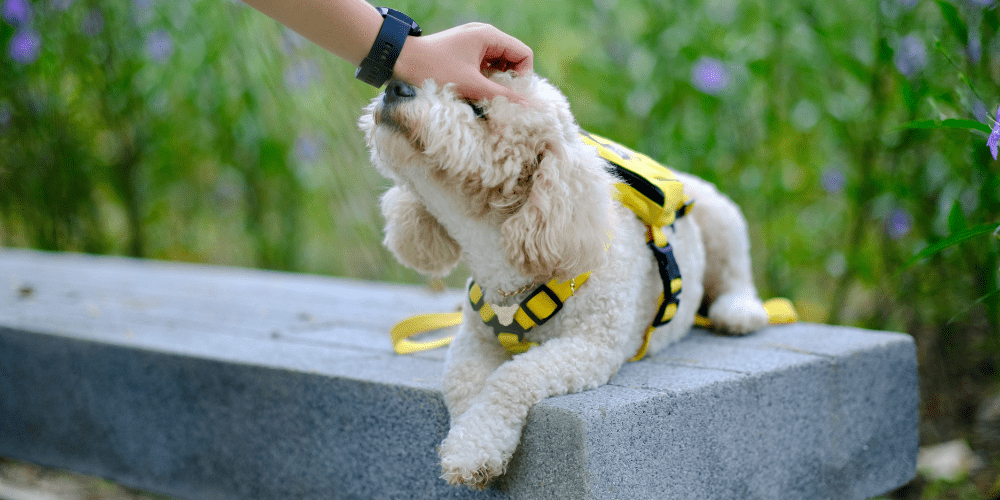
For dogs that become anxious around strangers, loud environments, or unfamiliar dogs, using a dog warning lead sleeve can be a game-changer. These bright yellow sleeves, marked with clear text such as “I am very nervous”, act as a visible signal to others that your dog needs extra space.
Benefits of a Nervous Dog Lead Sleeve:
- Prevents Unwanted Approaches: Alerts others to avoid sudden interactions that might stress your dog.
- Creates a Safer Walking Experience: Reduces the risk of fear-based reactions when in public.
- Supports Training & Rehabilitation: Helps owners manage their dog’s anxiety while working on confidence-building exercises.
Mental Stimulation Toys
An anxious dog often has excess nervous energy that needs an outlet. Mental stimulation can be just as important as physical exercise when it comes to managing stress.
- Puzzle toys: Interactive feeders or treat-dispensing toys challenge the brain and encourage problem-solving.
- Scent work & nose games: Engaging a dog’s natural sniffing instincts can have a calming effect while also working to tire them out and lessen stress. Hiding treats around the house or using snuffle mats can help redirect anxious energy.
- Training sessions: Using tools and toys to teach new commands or tricks can boost confidence and create a sense of accomplishment for your dog.
Order Dog Warning Lead Sleeves Today
Helping an anxious dog requires patience, consistency, and the right tools to create a sense of security. By understanding the root causes of their anxiety, incorporating calming aids, and using structured exercise and mental stimulation, you can help your dog feel more confident and relaxed in their daily life.
One of the simplest yet most effective ways to reduce stress during walks is by using a Yellow Nervous Dog Lead Sleeve. This visible warning lets others know that your dog needs space, helping to prevent unwanted interactions and create a calmer environment when out in public.
For more options, shop our full collection of dog leads, collars and harnesses, as well as more dog warning tools. You can also learn more about how to approach a dog with anxiety with our guide.