For many, the initial reaction of crossing paths with a dog is one of excitement. Whether it’s at the park or in the office, we expect wagging tails and plenty of cuddles. But it’s important to remember that not every dog is ready for attention from strangers.
Approaching a dog might seem simple, but for nervous or anxious dogs, the wrong approach can lead to fear-based reactions like cowering, growling, or even snapping. Whether you’re meeting a friend’s dog, encountering one in public, or working with a rescue, understanding how to approach them safely is essential for both their comfort and your safety.
Many nervous dogs wear yellow dog warning lead sleeves, harnesses, or bandanas as a signal that they need extra space. These accessories are meant to alert people to approach with care and make the dog feel secure. However, even without a visible sign, it’s important to recognise when a dog is feeling uneasy.
5 Signs of a Nervous Dog
Understanding a dog’s body language is crucial when approaching an anxious or nervous dog. Dogs communicate their emotions through subtle signals, and recognising these early signs can help prevent stress or defensive reactions.
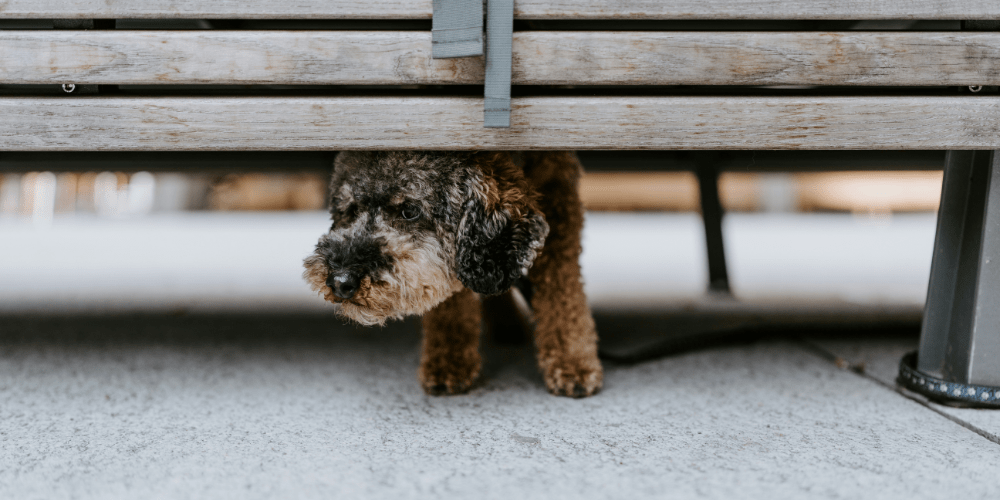
A nervous dog may display a range of body language signals, including:
- Tucked tail or rigid posture.
- Pinned-back ears or excessive yawning.
- Lip licking, panting, or avoiding eye contact.
- Shaking, cowering, or trying to retreat from interaction.
- Growling or baring teeth (a warning that they feel unsafe).
Dos and Don’ts When Approaching a Nervous Dog
Approaching a nervous dog the wrong way can increase their anxiety and even lead to defensive behaviour. To ensure a safe and positive interaction, respecting their boundaries and using calm, reassuring body language is important.
DO: Approach with Care and Respect
- Move Slowly & Stay Calm – Sudden movements or loud noises can startle an anxious dog. Approach slowly with a relaxed posture.
- Let the Dog Come to You – Allow the dog to initiate contact instead of reaching out first. This helps them feel in control and safe.
- Use a Gentle, Soft Voice – A calm, reassuring tone can help a nervous dog feel more at ease. Avoid high-pitched or overly excited speech.
- Turn Your Body Slightly to the Side – Facing a dog directly can feel intimidating. A slight sideways stance is less threatening.
- Offer a Treat or Open Palm – Holding out a treat or simply extending an open palm (without reaching) gives the dog a choice to engage.
- Watch for Comfort Cues – If the dog wags its tail loosely, sniffs you, or leans in, it’s likely feeling more comfortable.
DON’T: Make the Dog Feel Trapped or Threatened
- Reach Over the Dog’s Head – Many dogs find this intimidating. Instead, let them sniff your hand before attempting any gentle petting.
- Make Direct Eye Contact Right Away – Staring can be perceived as a challenge. Soft, indirect eye contact is better.
- Move Too Quickly or Lean Over the Dog – Looming over a dog can make them feel cornered. Stay at their level if possible.
- Force Interaction – If the dog backs away, growls, or avoids you, respect their space. Pushing them to interact can increase fear.
- Ignore Warning Signs – If the dog is showing nervous body language (such as lip licking, whale eye, or cowering), give them more time and space.
By following these dos and don’ts, you can create a positive experience for both yourself and the dog, helping them feel safer and more confident over time.
Give Nervous Dogs the Space They Need
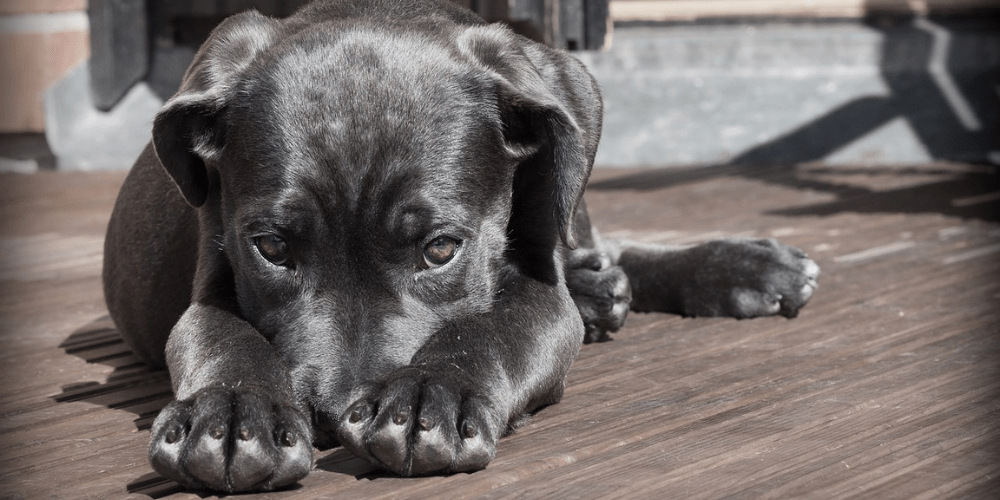
If your dog struggles with anxiety, fear, or nervousness in public, it can be challenging to manage interactions with strangers and other dogs. Many well-meaning people may unknowingly approach too quickly, reach out to pet your dog, or allow their own pets to get too close—causing unnecessary stress for your furry friend.
Our Yellow Nervous Dog Lead Sleeve is designed to help prevent these situations by providing a clear and visible message to those around you. With bold, easy-to-read text that says this sleeve instantly communicates your dog’s need for extra space, helping to create a calmer, more controlled environment during walks. You can also customise the text on your dog lead sleeve with a warning that best describes your pooch. From ‘I’m Very Nervous’ to ‘Not Good with Other Dogs’ and everything in between.
Why Use Our Yellow Nervous Dog Lead Sleeve?
- Highly Visible & Easy to Read: The bright yellow colour and bold lettering ensure that others notice the message before approaching.
- Universal Fit: Designed to easily slip onto any standard lead, making it a convenient and hassle-free solution.
- Reduces Stressful Encounters: Helps prevent unwanted interactions, giving your dog the space they need to feel safe.
- Durable & Weatherproof: Made from high-quality materials to withstand daily walks in all conditions.
- Supports Training & Behavior Management: Ideal for dogs undergoing behavioural training or those who need more time to build confidence.
By using a warning dog sleeve, you can take control of your dog’s environment and ensure their walks are more comfortable, predictable, and stress-free. Complete your order with dog leads and collars, also available in a range of practical and robust designs to keep your four-legged friend safe and comfortable.
Shop our full collection of dog lead warnings, and don’t hesitate to contact our friendly team for more advice. Learn more about anxiety in dogs with our guide on how to help calm nervous dogs.