Every dog walks differently. Some move calmly by your side, others pull ahead with enthusiasm, and a few approach every walk with caution. Choosing the right dog lead often depends less on appearance and more on your dog’s personality, behaviour, and confidence outdoors. A lead that suits one dog perfectly may feel uncomfortable or impractical for another.
Understanding how your dog reacts to their surroundings helps you make better choices and improves everyday walks for both of you.
Why personality matters when choosing a dog lead
Choosing walking accessories always comes back to understanding how your dog experiences the world. A dog lead plays a central role in that experience. It acts as a point of communication between you and your dog, guiding movement, offering reassurance, and providing control when needed.
Dogs respond differently to tension, length, and handling, so a lead that complements your dog’s temperament supports calmer and safer walks. Personality also influences how dogs respond to distractions, unfamiliar environments, and other dogs. The right dog lead allows you to manage these situations without causing stress or frustration, making everyday walks more predictable and comfortable for both of you.
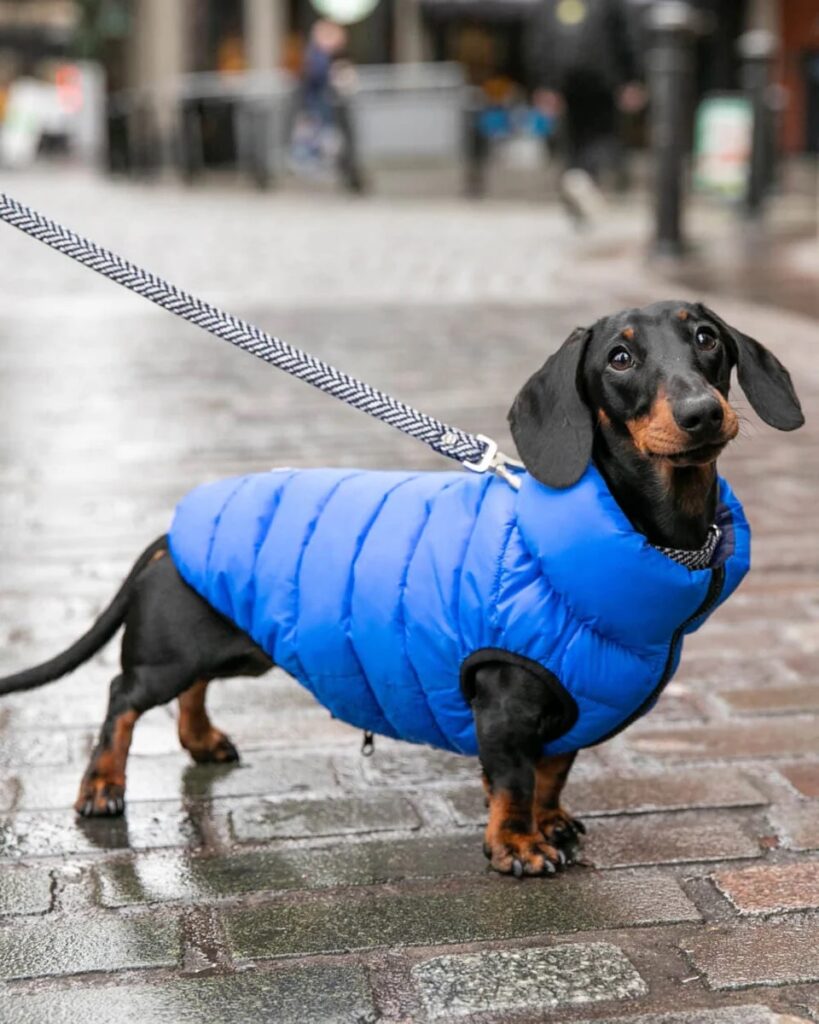
Calm and confident walkers
Dogs that walk steadily and stay close often suit standard-length leads. These dogs usually feel comfortable in familiar settings and respond well to gentle guidance. A simple lead provides enough freedom while maintaining clear boundaries, especially when paired with a well-fitted dog collar or a lightweight dog harness that supports natural movement.
For calm dogs, the focus is usually comfort rather than control. Soft materials, a comfortable handle, and consistent length help maintain a relaxed walking rhythm. Many calm walkers benefit from a familiar collar or harness setup rather than frequent changes in equipment, as consistency supports confidence and predictable behaviour.
Energetic and enthusiastic dogs
Some dogs approach walks with excitement and energy. They may pull ahead, change direction suddenly, or react strongly to sights and smells. For these dogs, lead choice affects both safety and comfort.
Shorter or reinforced leads help maintain better control without relying on constant tension. A secure grip reduces strain on your hands, while strong fittings support repeated movement. Pairing the right lead with consistent training often improves walking behaviour over time.
Energetic dogs often benefit from predictable equipment that feels the same on every walk, helping them learn boundaries through repetition.

Nervous or cautious dogs
Dogs that feel unsure outdoors need leads that offer reassurance rather than restriction. Nervous dogs may freeze, hesitate, or attempt to retreat when startled. A lead that feels too heavy or restrictive can increase anxiety.
Softer materials and steady length provide a sense of security without pressure. Consistency matters for cautious dogs, as sudden changes in equipment can unsettle them. A reliable lead helps build trust and confidence gradually.
For nervous dogs, calm handling and predictable movement matter just as much as the lead itself.
Dogs that react to their surroundings
Some dogs react strongly to other dogs, people, or busy environments. These reactions often stem from excitement, fear, or overstimulation. The right lead supports safer distance control while allowing smooth movement.
A lead with moderate length helps manage space without pulling sharply. Smooth materials reduce sudden jerks, making corrections gentler and clearer. Over time, consistent handling and appropriate equipment can reduce reactivity during walks.
Puppies learning to walk on a lead
Puppies experience everything for the first time, including lead pressure and direction changes. Their personality develops alongside their walking habits, so early lead choice influences long-term behaviour.
Lightweight leads allow puppies to move freely while learning boundaries. Simple designs prevent confusion and reduce the risk of overwhelming them. As puppies grow, their lead needs often change, reflecting increased confidence and strength.
Patience and consistency matter more than complexity during early training stages.
Matching lead length to behaviour
Lead length influences how much freedom your dog experiences during walks. Dogs that stay close often manage well on standard lengths, while others need shorter control in busy areas.
Longer leads suit open spaces where dogs can explore safely, while shorter leads help maintain focus in crowded environments. Choosing the right length based on behaviour reduces frustration for both dog and owner.
Comfort for both dog and handler
A dog lead should feel comfortable in your hand as well as secure for your dog. Handles that sit well reduce strain during longer walks, while balanced weight prevents fatigue.
Dogs respond to how a lead feels when it moves. Smooth handling helps maintain calm communication, especially for dogs sensitive to tension.
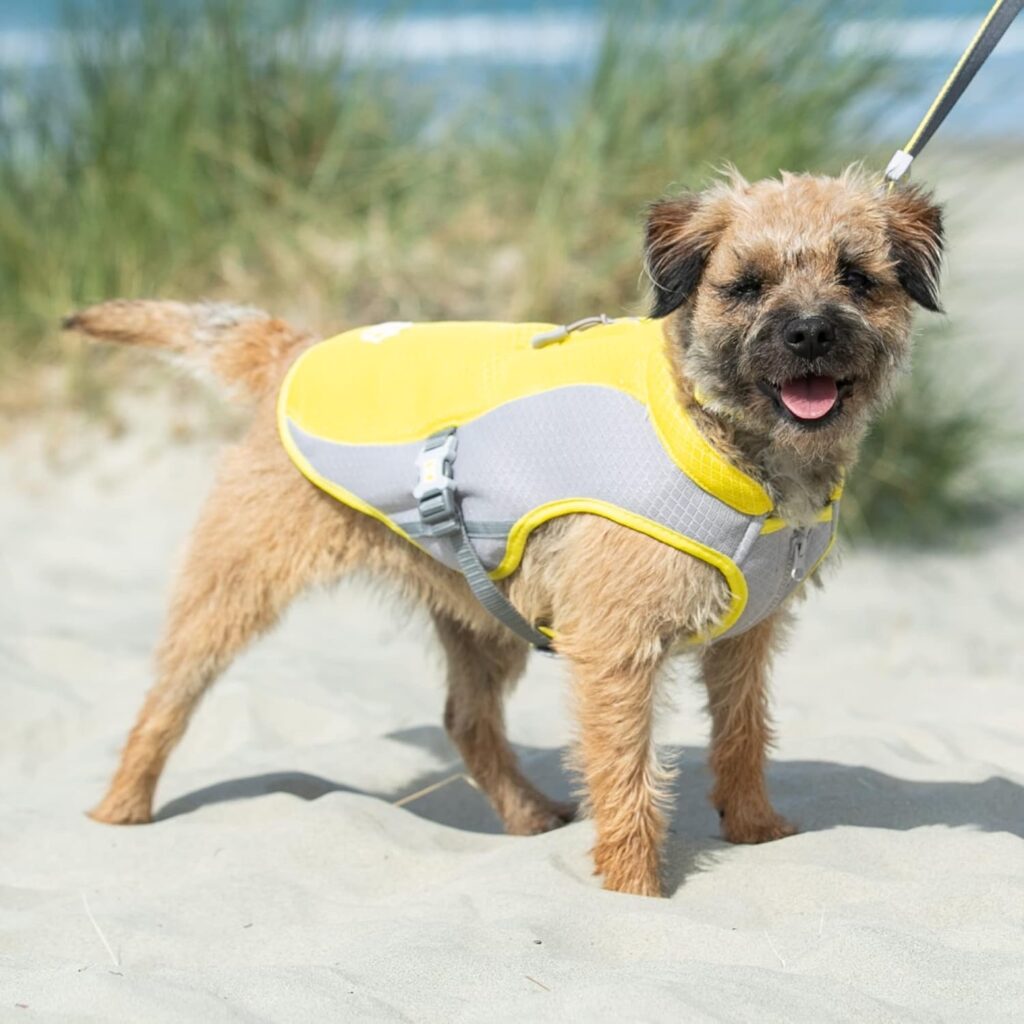
Adjusting as your dog changes
Dogs change with age, training, and experience. A lead that suits your dog now may not suit them later. Reviewing your equipment as behaviour evolves helps maintain comfort and control.
Older dogs may prefer lighter leads, while trained dogs may manage well with simpler designs. Paying attention to how your dog responds during walks offers valuable guidance.
Choosing based on understanding, not trends
Trends change, but your dog’s personality remains unique. Choosing a lead based on behaviour, confidence, and comfort leads to better outcomes than choosing based on appearance alone.
Observing how your dog moves, reacts, and communicates during walks provides the clearest insight into what works best.
Final thoughts
There is no single lead that suits every dog. Personality, confidence, and behaviour shape how dogs experience walks, and the right lead supports these differences rather than forcing uniformity.
By understanding your dog’s temperament and needs, you create calmer walks, clearer communication, and a more enjoyable routine for both of you.