Daily walks play a big role in a dog’s routine. They provide exercise, mental stimulation, and a chance to explore the world beyond home. While walking often feels simple, small accessories can quietly improve safety, comfort, and overall experience for both you and your dog.
Many walking challenges come down to preparation. The right accessories reduce stress, support better behaviour, and make outings smoother, especially in busy or unfamiliar environments.
1. Dog leads that support calm, controlled walks
A dog lead is more than a connection point. It guides movement, communicates boundaries, and offers reassurance when needed. The right lead helps maintain steady control without constant tension, which supports calmer behaviour during walks.
Different dogs respond to different lead styles. Some feel more secure with a consistent length, while others benefit from firmer control in crowded areas. A comfortable handle also matters, as it reduces strain on your hand during longer walks and improves overall handling.
A well-chosen lead helps both dog and handler move with confidence rather than resistance.

2. Dog collars that balance comfort and security
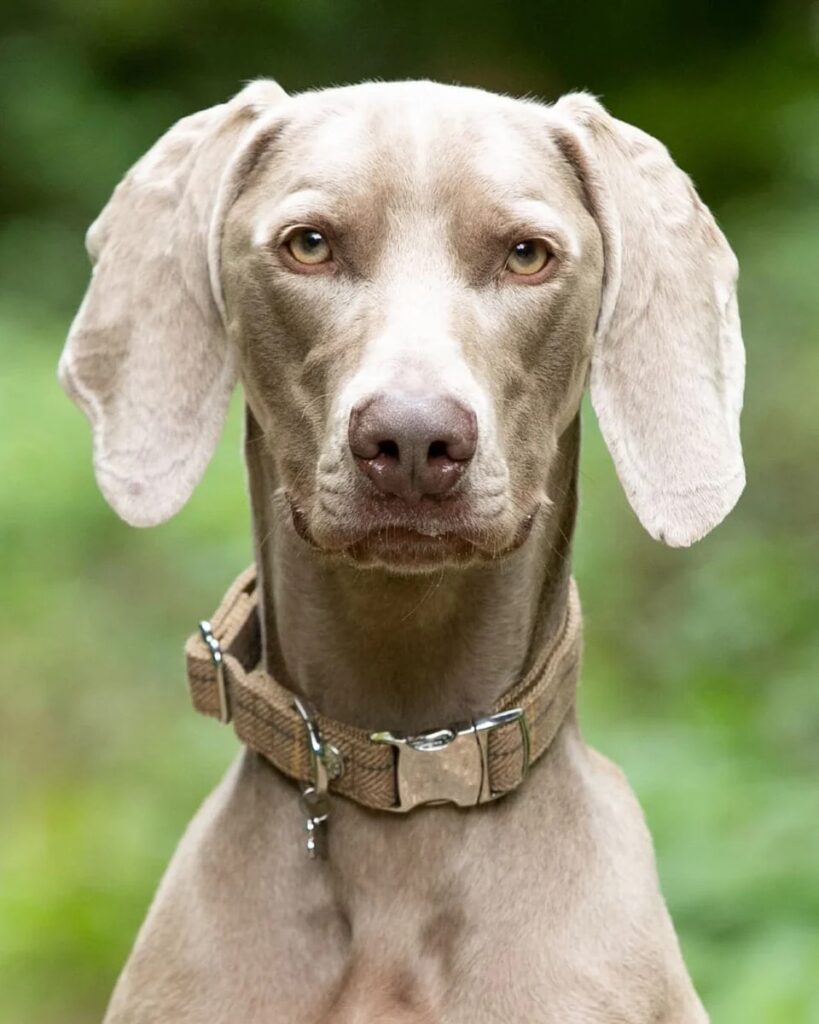
Dog collars often stay on all day, not just during walks. Because of this, comfort plays a major role in how dogs respond to wearing one. A collar should sit securely around the neck without rubbing or shifting excessively.
For everyday walking, collars work best when paired with the right lead and adjusted correctly. They help keep identification visible and allow simple attachment during short outings. Dogs that feel comfortable in a quality dog collar tend to walk more confidently and respond better to guidance.
The small detail of fit often makes a noticeable difference.
3. Dog harnesses that improve movement and control
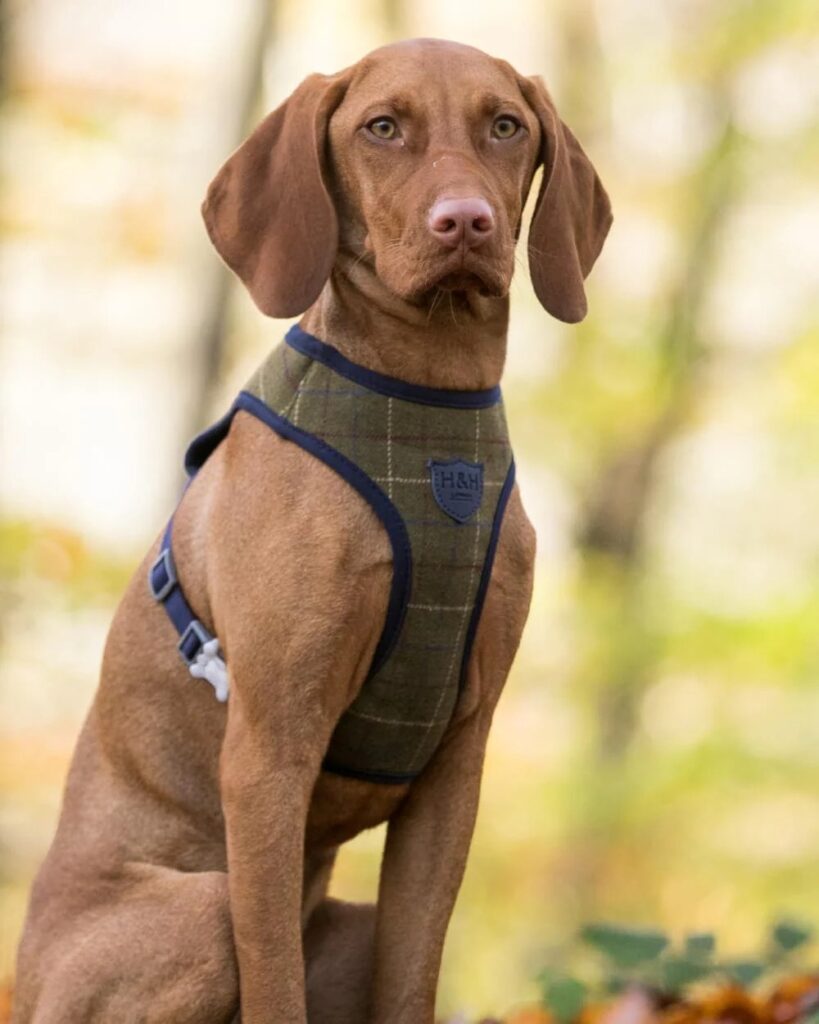
Dog harnesses distribute pressure more evenly across the body, which supports comfort during walks. They often help dogs that pull or feel uneasy with neck pressure.
A properly fitted harness allows natural movement while offering improved control. For dogs still learning lead manners, harnesses support clearer communication without causing discomfort. They also help owners guide movement more smoothly in busy or unfamiliar areas.
Harnesses quietly improve walking routines by reducing strain for both dog and handler.
4. Dog coats and cooling vests for changing conditions
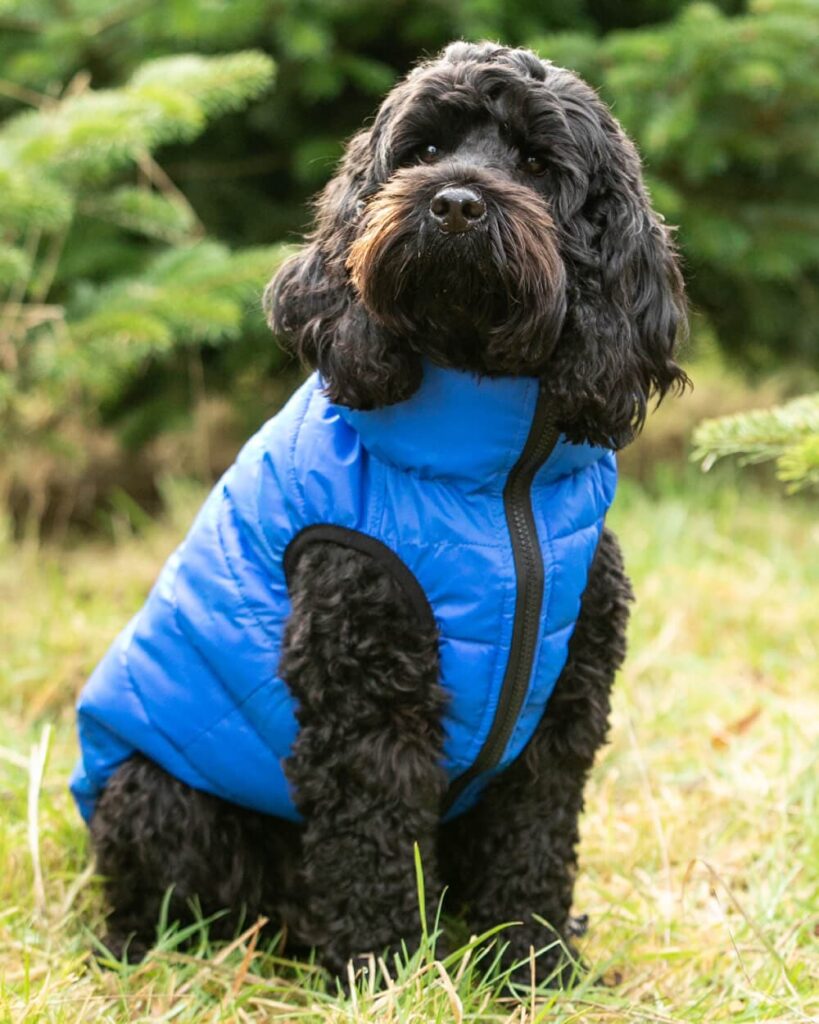
Weather affects dogs just as much as people. Cold, rain, or heat can turn an ordinary walk into an uncomfortable experience. Dog coats and cooling vests help manage these conditions and keep walks consistent year-round.
Coats provide warmth and protection during colder months, while cooling vests help regulate body temperature in warmer weather. Dogs that stay comfortable are more relaxed, more focused, and less likely to rush or resist movement.
Adapting to conditions helps maintain routine without forcing discomfort.
5. Bags and warning sleeves that improve safety and communication
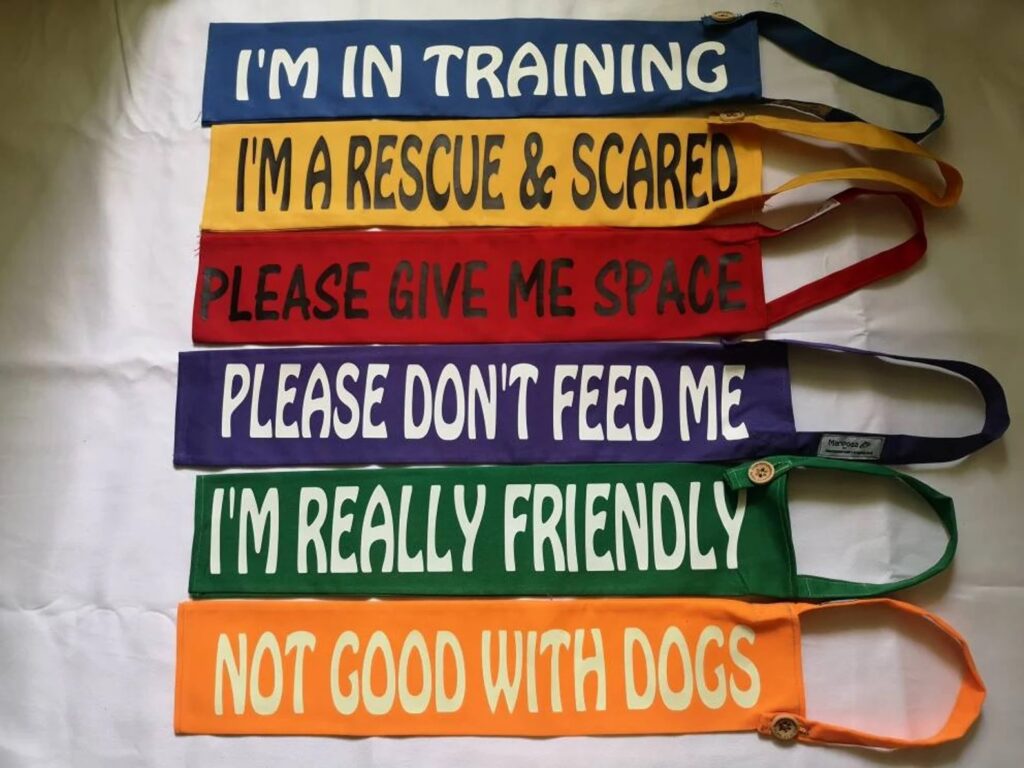
Bags and warning sleeves may seem small, but they offer practical benefits during walks. Bags help carry essentials such as waste bags, treats, or personal items, reducing the need to juggle pockets or hands.
Warning sleeves improve communication with others. Clear messages help people understand how to approach your dog, which reduces unexpected interactions. This can be especially helpful for nervous dogs, dogs in training, or busy environments.
Clear signals support calmer encounters and safer walks.
Why small accessories matter
Small accessories often solve everyday frustrations. They reduce interruptions, support better behaviour, and make walking feel less rushed. When dogs feel comfortable and owners feel prepared, walks become smoother and more enjoyable.
Each accessory plays a quiet role in creating structure and confidence during outings.
Choosing accessories that suit your routine
Every dog walks differently. Some enjoy long, relaxed routes, while others prefer short, focused walks. Observing how your dog reacts during outings helps guide accessory choices.
Comfort, fit, and practicality should always come before trends. Accessories work best when they suit your dog’s size, behaviour, and environment.
Final thoughts
Walking accessories do not need to be complicated to be effective. Small, thoughtful additions often have the biggest impact on daily routines. From leads and collars to harnesses, coats, and warning sleeves, the right combination supports calmer walks and clearer communication.
By focusing on comfort, safety, and preparation, you improve not just the walk itself, but the experience shared between you and your dog.